
Cups vs. Ounces: Understanding Baking Measurements for Perfect Results
Have you ever wondered why a recipe might list “1 cup of flour” as 4.25 ounces instead of the seemingly obvious 8 ounces? You’re definitely not alone! This is a very common question and a significant source of confusion for many home cooks and bakers.
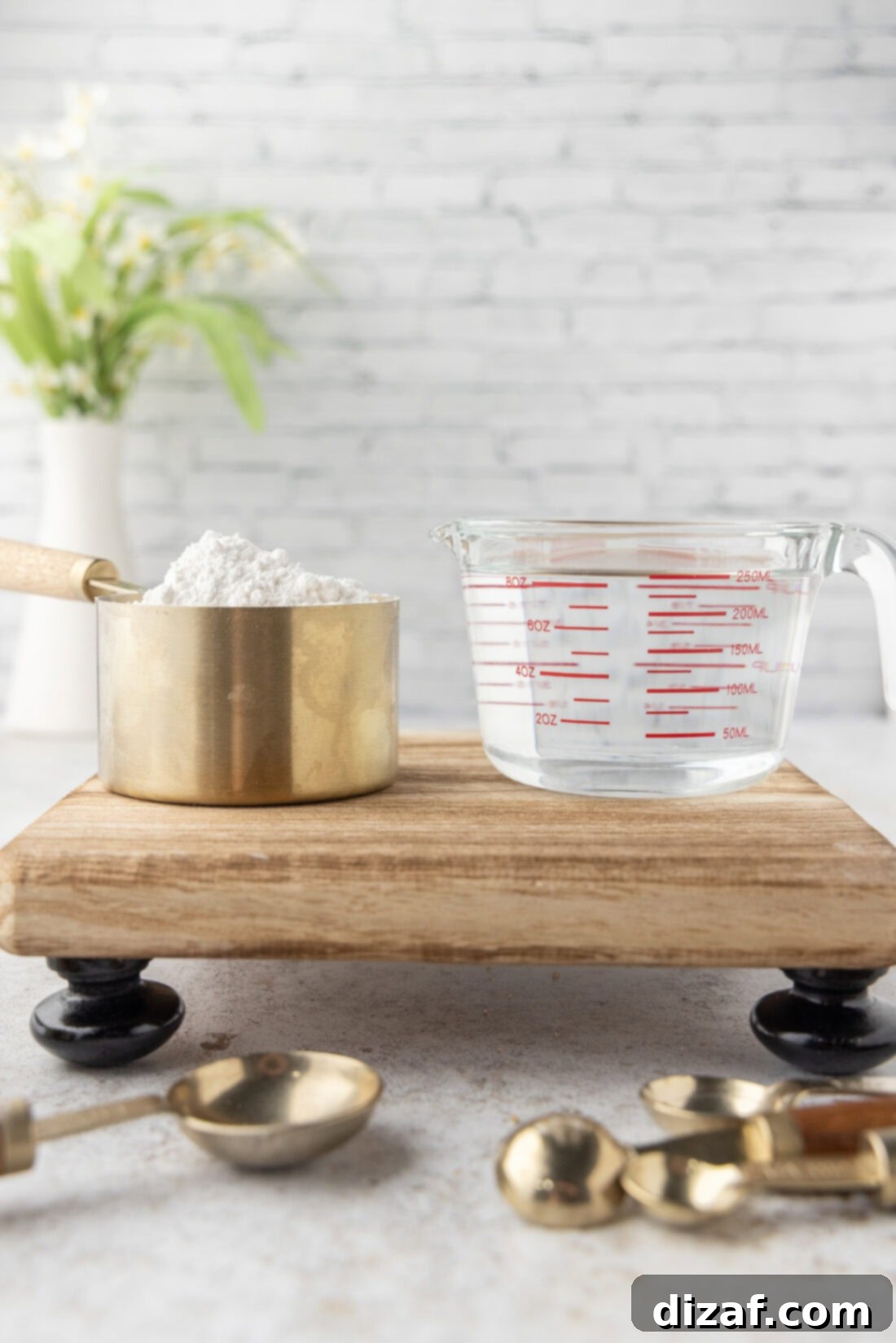
Let’s clear up this confusion once and for all so you can achieve consistent, delicious results in your baking and cooking endeavors!
Cups Measure Volume, Ounces Measure Weight: The Key Difference
Here’s the most fundamental concept to grasp:
- Cups measure volume: This refers to the amount of space a substance occupies. Think of it as how much “room” something takes up.
- Ounces measure weight: This refers to how heavy something is. It’s a measure of mass.
Because volume and weight measure entirely different properties, 1 cup does NOT automatically equal 8 ounces. Treating them as interchangeable is a common mistake that can lead to baking mishaps.
Visualizing the Difference: A Simple Example
Imagine taking the same 1-cup measuring cup and filling it with various ingredients:
- Mini marshmallows
- All-purpose flour
- Granulated sugar
- Small pebbles
Each of these fills the same amount of space – one cup. However, each ingredient weighs a significantly different amount. Some ingredients, like marshmallows, are light and airy, while others, like pebbles, are dense and heavy.
Example Breakdown:
- 1 cup of marshmallows is very light.
- 1 cup of flour is a medium weight.
- 1 cup of pebbles is very heavy.
Same cup, drastically different weights. This illustrates why relying solely on cup measurements for dry ingredients can be unreliable.
Why the Misconception: “1 Cup = 8 Ounces”?
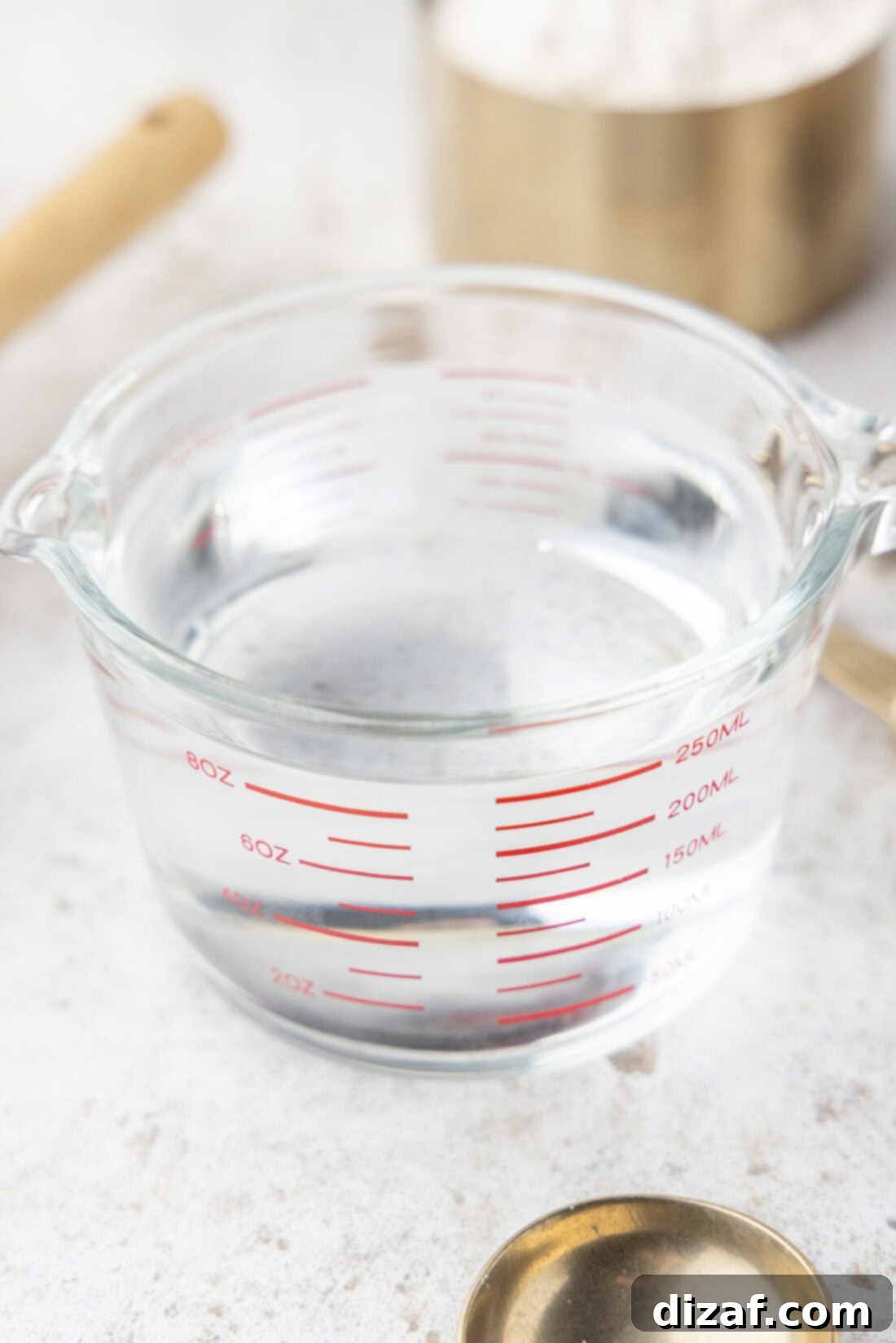
The misconception largely stems from the fact that this *is* generally true for liquids, but even then, it’s an approximation based on water. Take a look at a glass liquid measuring cup; you’ll notice markings for cups, fluid ounces (fl oz), and milliliters (mL) along the side. The confusion arises because the 8 fluid ounce mark often aligns with the 1 cup mark. However, this is specifically for liquids measured in *fluid ounces*, which are a *volume* measurement.
For most common liquids used in cooking and baking:
- 1 cup of water = 8 fluid ounces
- 1 cup of milk = 8 fluid ounces
- 1 cup of vegetable oil = 8 fluid ounces
It’s crucial to remember that these are *fluid ounces*, a measure of volume, NOT weight ounces. This distinction is where much of the confusion originates.
Fluid Ounces vs. Weight Ounces: Understanding the Difference
They might sound the same, but they represent different measurements:
- Fluid ounces (fl oz): Measures volume, typically used for liquids.
- Ounces (oz): Measures weight, typically used for solids, but also appears on scales for liquids.
A standard measuring cup displays fluid ounces, designed for liquids. A kitchen scale shows weight ounces, which can measure either liquids or solids. Using the wrong measurement type will result in inaccurate proportions in your recipes.
The Case of the Missing Ounces: Why Is 1 Cup of Flour Only 4.25 Ounces?
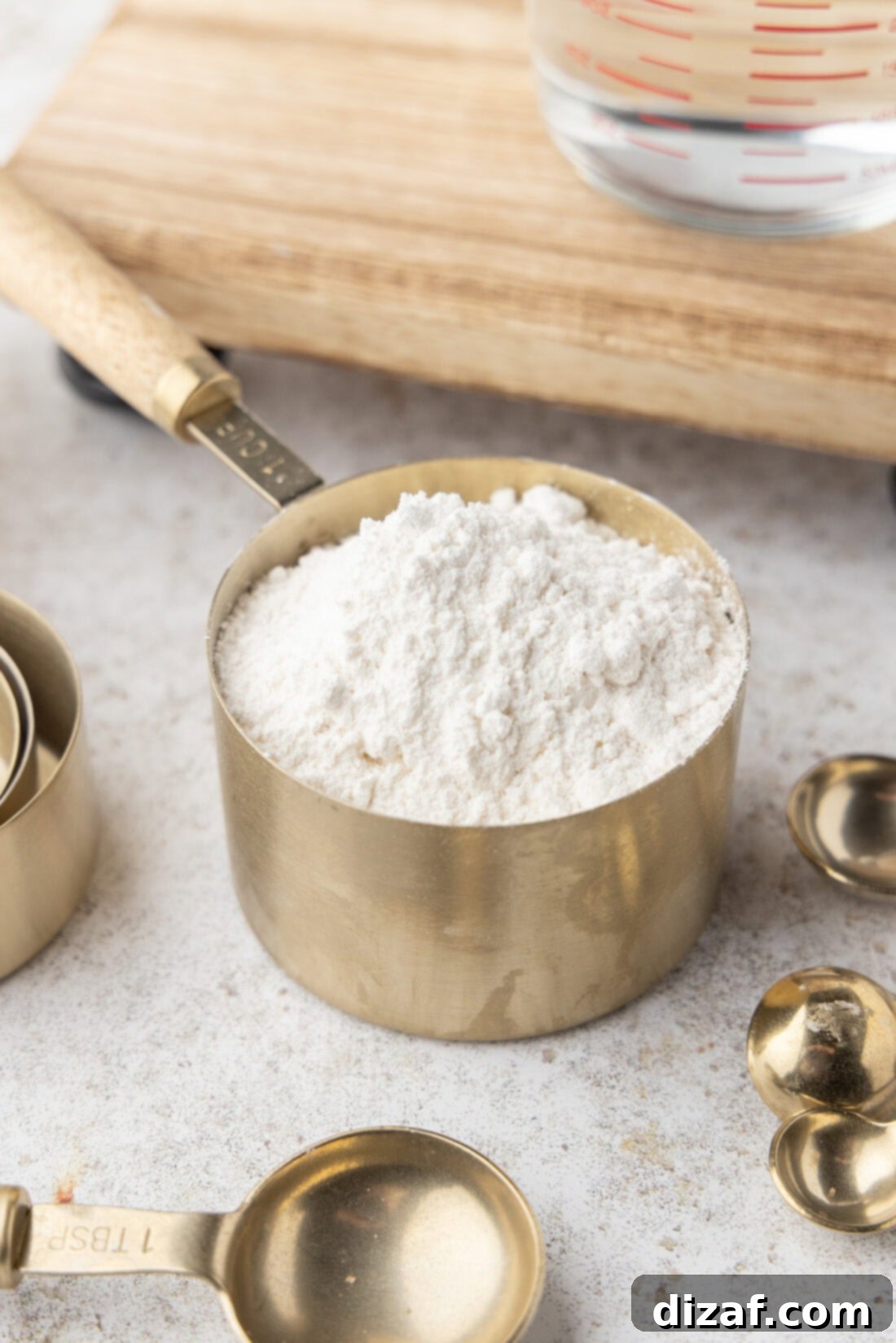
The key lies in the nature of flour: it’s light and fluffy. When measured correctly (lightly spooned into the cup and leveled off with a straight edge), it simply doesn’t weigh 8 ounces. The air incorporated into the flour contributes significantly to its volume but not its weight.
On average, 1 cup of all-purpose flour weighs approximately 4.25 ounces (about 120 grams). If flour *actually* weighed 8 ounces per cup, your baked goods would consistently turn out dense, dry, and heavy – a far cry from the light, airy texture you desire. This is why professional bakers and seasoned home bakers often rely on weight measurements; they provide significantly greater precision and consistency.
The Accuracy Advantage: Why Weight Measurements Are Superior
When you use a dry measuring cup to scoop flour directly from the bag, several factors contribute to inconsistent results:
- Compression: Scooping directly from the bag compresses the flour.
- Packing: You inadvertently pack more flour into the cup.
- Extra Flour: You end up with more flour than intended.
Because of these variables, two different people can measure “1 cup of flour” and end up with significantly different amounts of flour. This inconsistency can directly impact the final outcome of your recipe, especially in baking, where precise ratios are crucial.
However, when you weigh ingredients using a kitchen scale:
- Consistency: 4.25 ounces is always 4.25 ounces, regardless of who’s measuring.
- No Guesswork: There’s no need to estimate or eyeball measurements.
- Eliminates Packing Differences: The weight remains the same, regardless of how tightly packed the ingredient is.
This eliminates the guesswork and human error associated with cup measurements, leading to more consistent and predictable results. That’s why you’ll frequently find weight measurements listed in well-tested recipes. Many recipe developers use a kitchen scale to ensure the accuracy of their recipes and provide you with the exact ingredient ratios needed for success.
A Simple Rule to Remember
Here’s a straightforward way to keep the difference straight:
- Liquids: Only liquids reliably measure 1 cup as 8 fluid ounces.
- Dry Ingredients: The weight of dry ingredients will vary depending on their density.
Why List Both Cups and Weights in Recipes?
In many countries, particularly in America, most recipes are traditionally written using cup measurements. People are accustomed to cooking and baking using these measurements. However, especially in baking, precision is paramount for achieving optimal results. Therefore, when you see something like:
- 1 cup flour (4.25 ounces)
It’s not a mistake; it’s an intentional inclusion of both volume and weight. Listing both measurements provides multiple benefits:
- Beginner-Friendly: It helps new cooks who are comfortable using measuring cups.
- Accuracy for Experienced Bakers: It caters to experienced bakers who prefer the accuracy of kitchen scales.
- Consistent Results: Ultimately, it helps *everyone* achieve more consistent and reliable results in their baking.
Ultimately, it’s a win-win situation. If you’ve ever struggled with inconsistent baking results, understanding the difference between cups and ounces and embracing weight measurements can make a significant positive impact.
Once you break the mental link between cups and ounces as being interchangeable, everything starts to make more sense. You’ll begin to understand why some recipes call for specific weights of ingredients, even when volume measurements are also provided.
Hopefully, this explanation clarifies the differences between measuring ingredients by volume (cups) and weight (ounces). Happy baking and cooking!